
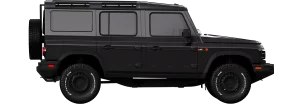
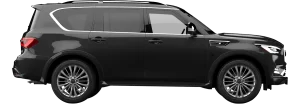
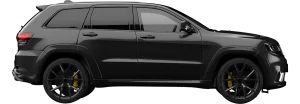
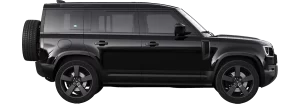







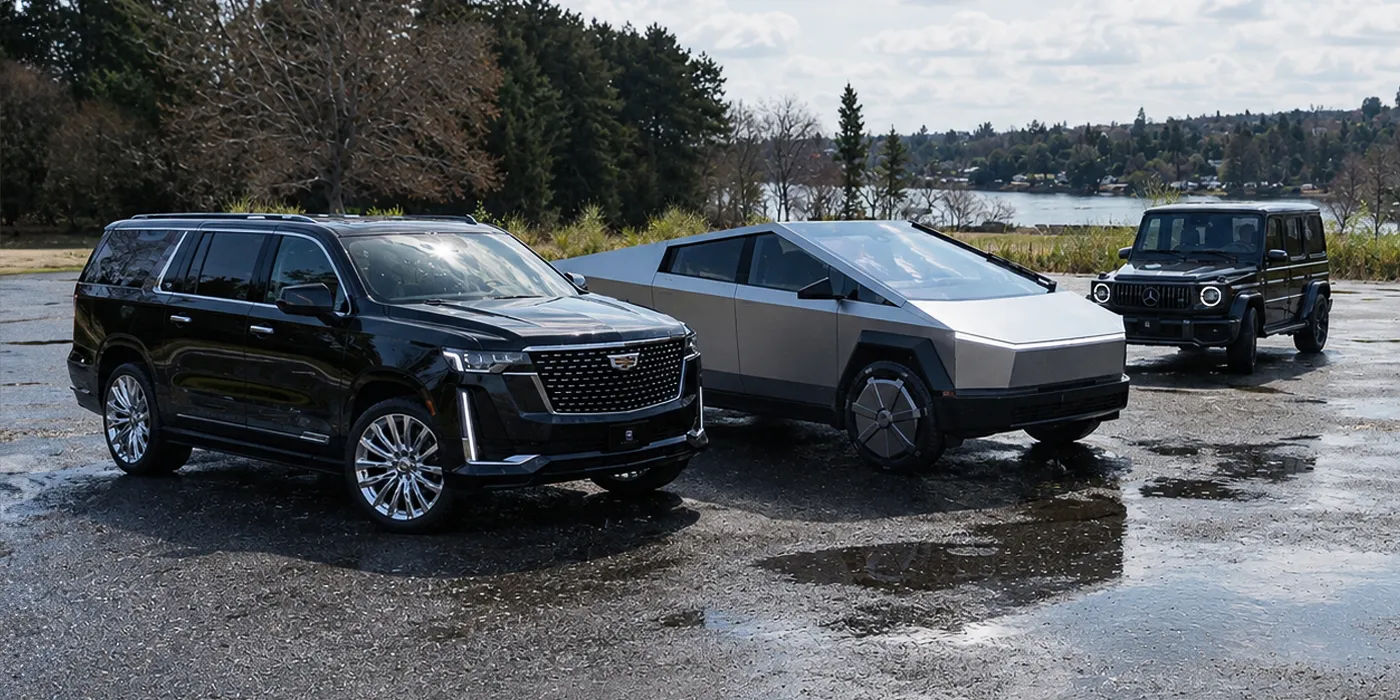
When the Tesla Cybertruck first rolled onto the stage in 2019, it did more than turn heads. It’s sparked a myth that has followed the truck ever since: that it’s “bulletproof”.
Tesla’s iconic unveiling showcased a demo window shattering on live television, which only added fuel to the conversation. Years later, the internet still repeats the claim that the Cybertruck can stop a bullet, as an armored vehicle can.
A recent change Tesla made to its Cybertruck may add durability and weight savings, although it does not classify it as an armored vehicle.
The Cybertrucks Real Armor
There is no denying that the Cybertruck is an engineering statement. Its angular exoskeleton is built from cold-rolled stainless steel, giving it unusual rigidity for impacts, dents, and rollovers, and its acoustic glass is designed to dampen road noise and resist everyday chips and cracks better than standard automotive glass. The truck backs this up with genuine performance credentials, hitting 60 mph in a few seconds flat and covering hundreds of kilometers on a single charge, genuinely impressive numbers for a full-size electric pickup.
None of that, however, was ever engineered against firearms. Stainless steel body panels and laminated glass are built to survive collisions, debris, and daily wear, not to meet a recognized ballistic protection standard. Tesla has never had the Cybertruck certified to a bullet-resistant rating like VPAM, NIJ, or CEN 1063, and no independent ballistics lab has issued the truck a bullet-resistant classification. The “bulletproof truck” reputation comes almost entirely from marketing and internet buzz, not from certified third-party testing facilities.
Tesla’s Hidden Underbody Change
This July, Cybertrucks owners noticed something new underneath their trucks. A detailer working on a freshly delivered Cyberbeast spotted carbon fiber where aluminum had been. Tesla’s Cybertruck lead engineer, Wes Morrill, confirmed the swap directly, testing showed carbon fiber held up better than aluminum while also being lighter and cheaper to produce, with a side benefit of cleaner airflow around the mounting bolts.
It’s a legitimately smart engineering move that has better durability against road debris and off-road impacts, weight savings, and a manufacturing cost win, all rolled into production quietly and without a price increase. A nice upgrade, just not a ballistic upgrade.
This distinction matters. Carbon fiber composite is prized in the auto industry for being light and impact-resistant, but “impact-resistant” in an engineering sense, surviving a rock kicked up on the highway or a rough trail crossing, is an entirely different bar than stopping a 7.62mm rifle round at close range. Nothing about this update touches the cabin, the glass, or the door, which are the areas that actually matter in a ballistic threat. In other words: even Tesla’s toughest, most recent Cybertruck hardware change was never about bullets. It was about potholes, gravel, and manufacturing efficiency.
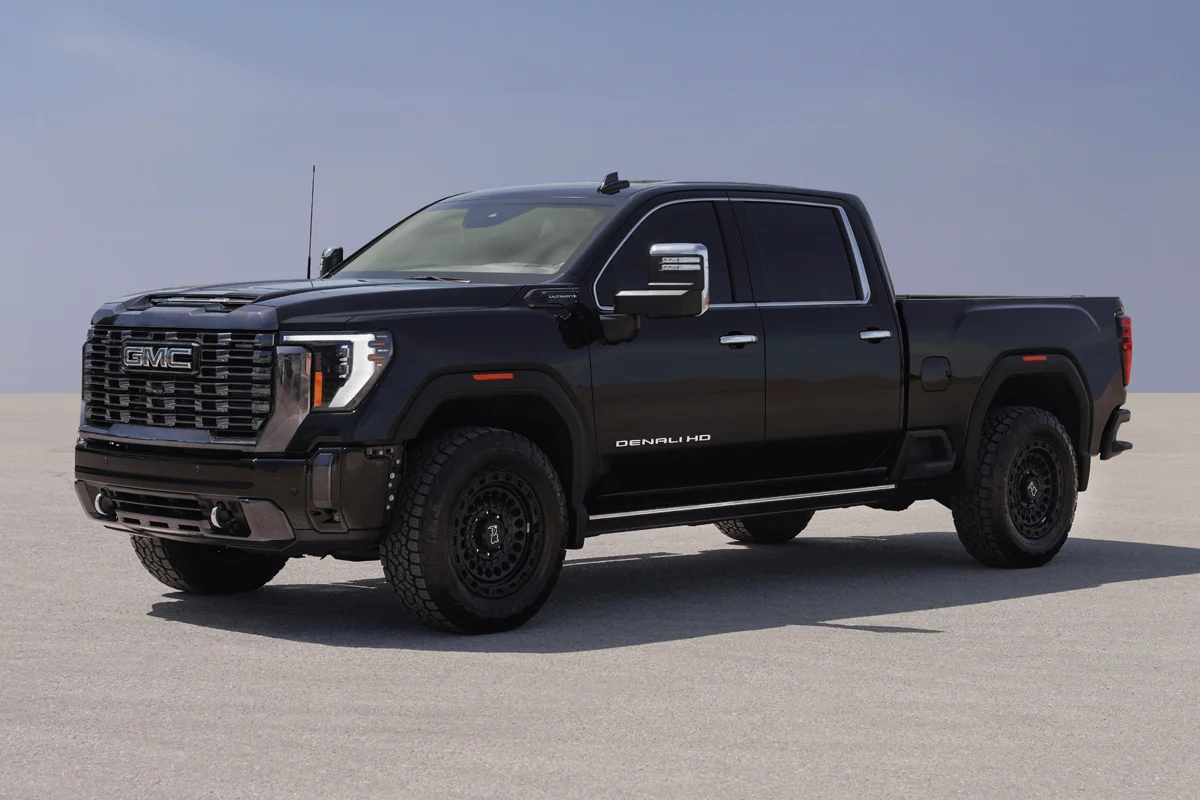
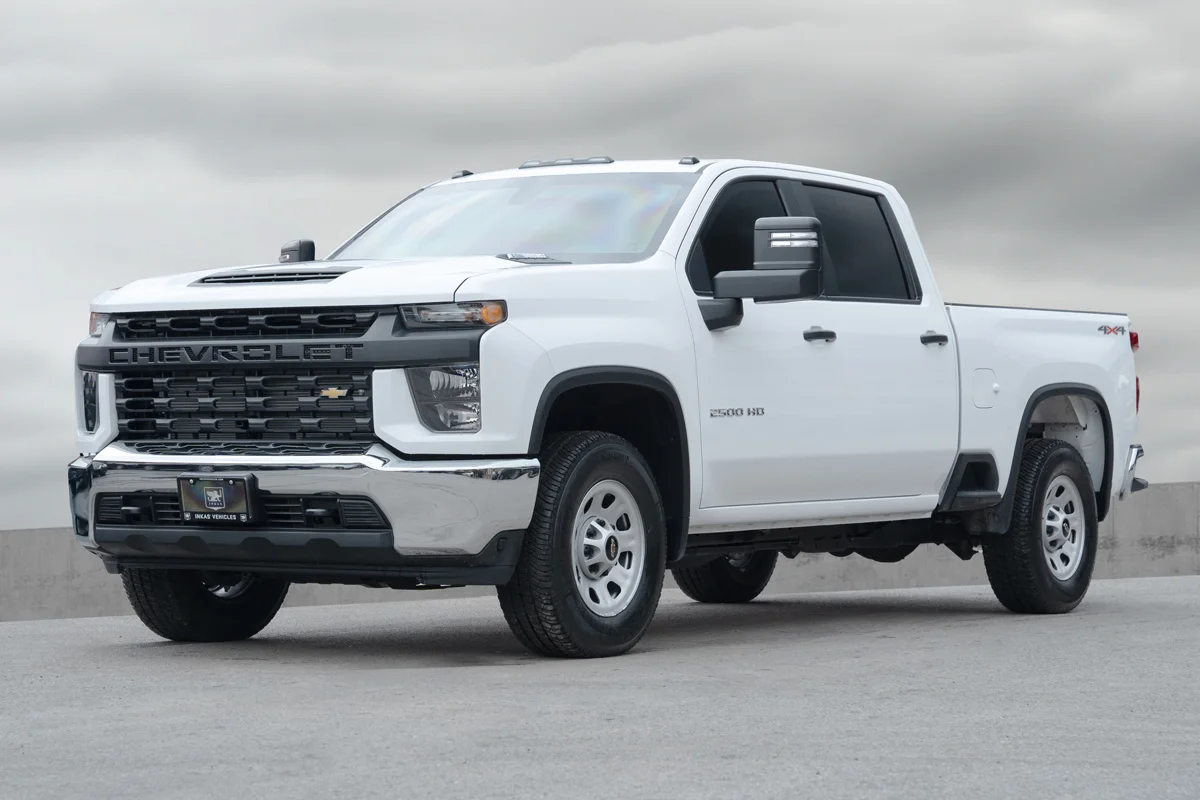
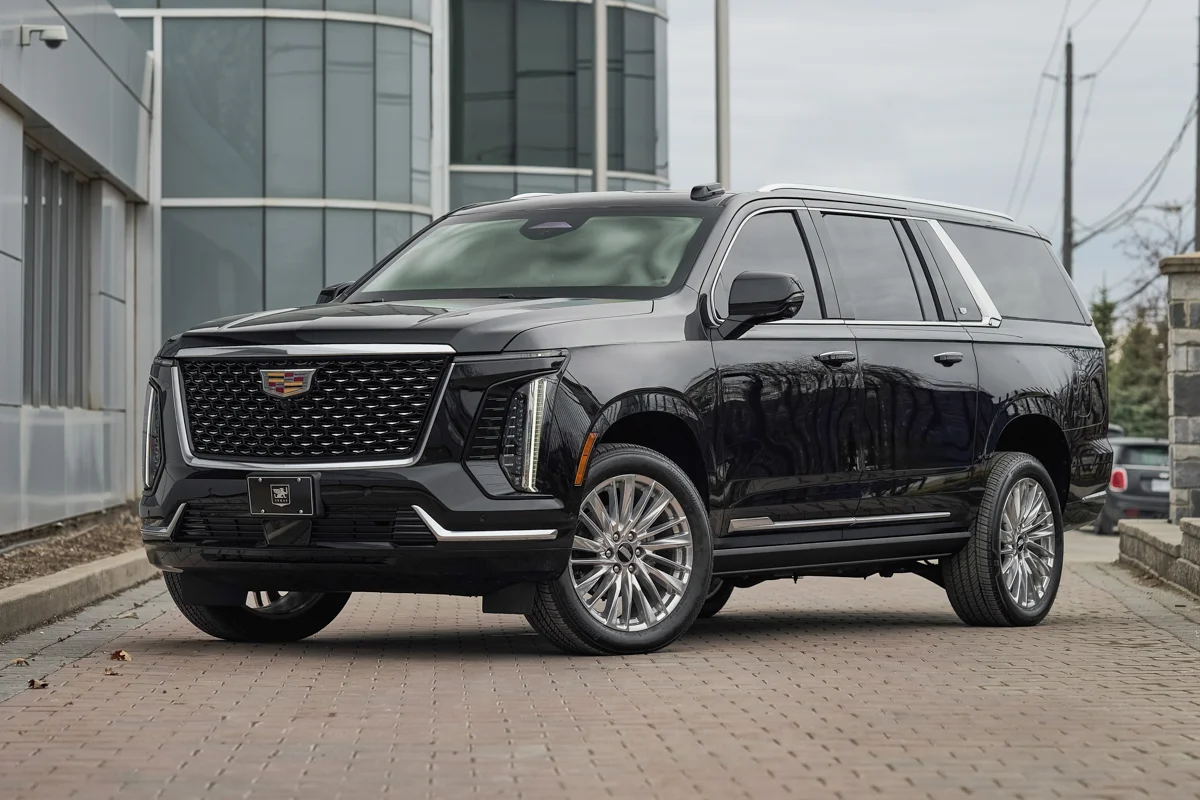
What Real Bullet Resistance Actually Requires
Bullet-resistant armor isn’t a material swap, that’s a verified, engineered system built specifically to defeat ballistic threats.
A genuinely bullet-resistant vehicle is built around:
- Certified Protection Levels: INKAS® ballistic materials are tested to ensure compliance with international standards such as CEN 1063.
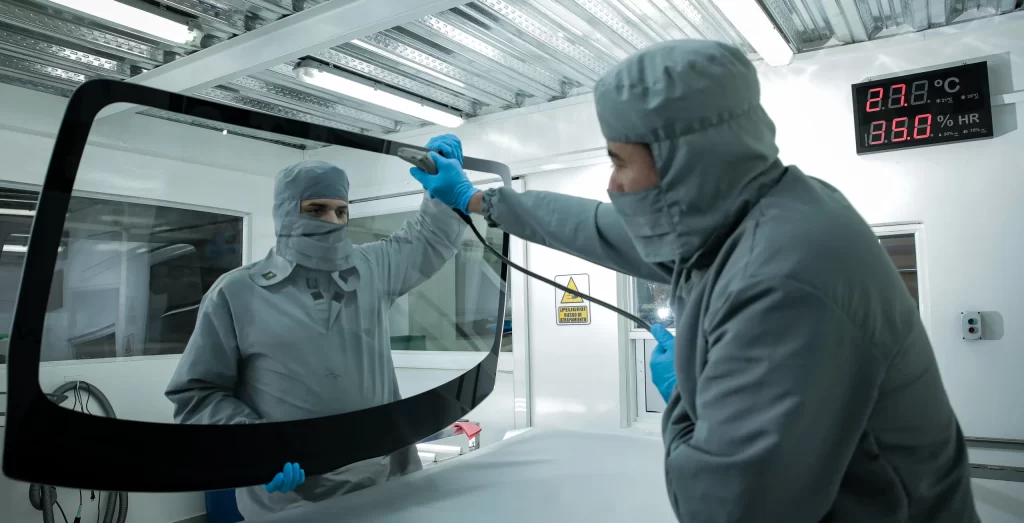
- Multi-Layered Ballistic Glass: Built in precision-engineered layers designed to deter bullets from penetrating, not just resist cracking or dampen sound, without sacrificing clarity or everyday usability.
- Ballistic Gapless Capsule: A single, continuous capsule of armor across the doors, floor, and roof. True 360-degree coverage, with no vulnerable gaps for rounds to slip through.
- Runflat Systems: Engineered to keep your vehicle mobile even after direct hits to the tires, so you can maintain control and keep driving to safety rather than losing mobility at the worst possible moment.
- Overlap Systems: Reinforced door frames extend beyond the door itself, closing off the ballistic gap that exists at the seams on unarmored vehicles, eliminating one of the most commonly exploited weak points in vehicle armoring.
- Upgraded Suspension: A heavy-duty, reinforced suspension may be added, which is built to carry the added weight of the armor package without compromising handling or ride comfort.
This is the difference between a truck that’s tough in a crash and a vehicle that’s engineered, tested, and certified to keep the people inside safe from actual ballistic threats, up to and including armor-piercing rounds and blast events, not just gravel on a back road.
Need pricing?
From Government-Grade to Civilian-Ready
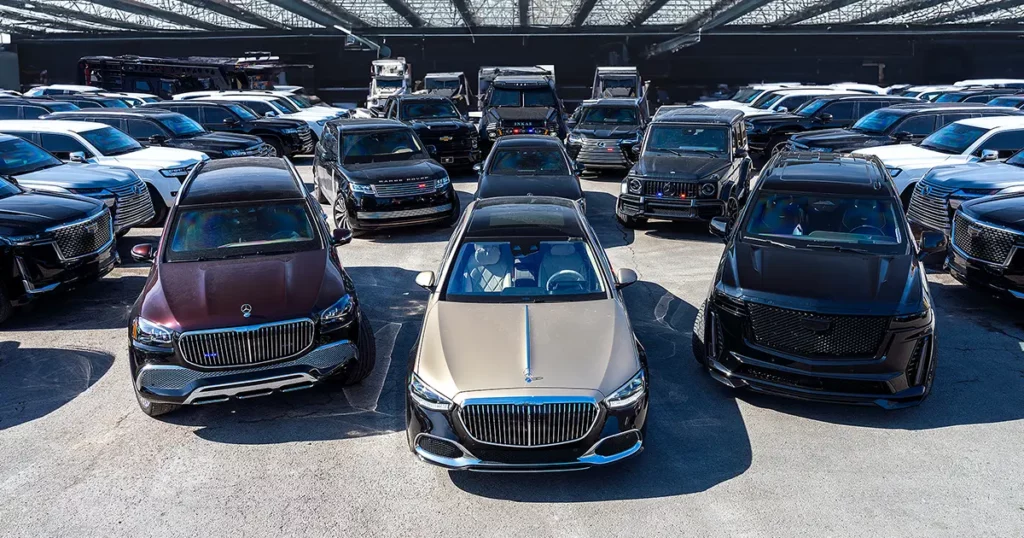
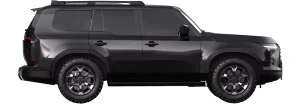
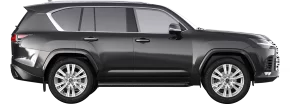
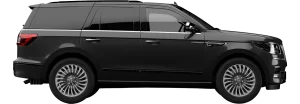
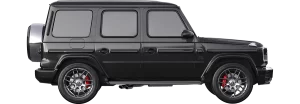
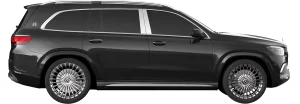
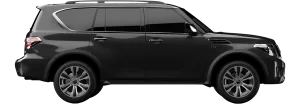
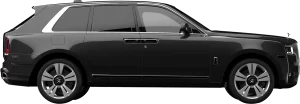
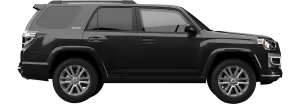
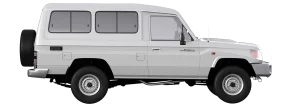
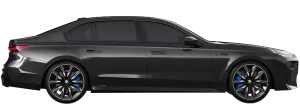
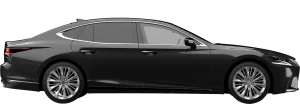
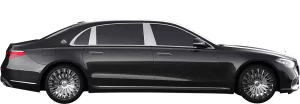
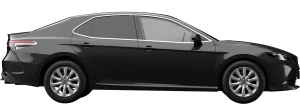
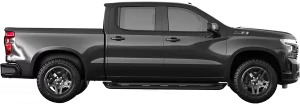
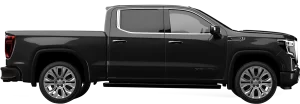
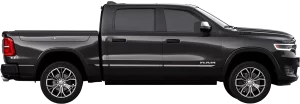
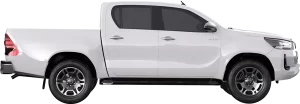
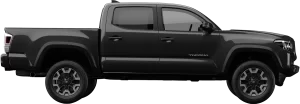
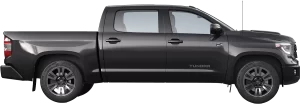
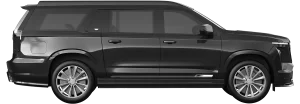
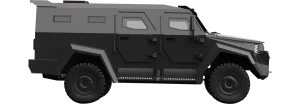
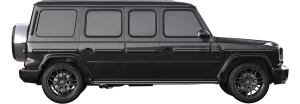
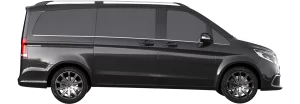
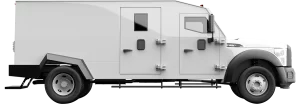
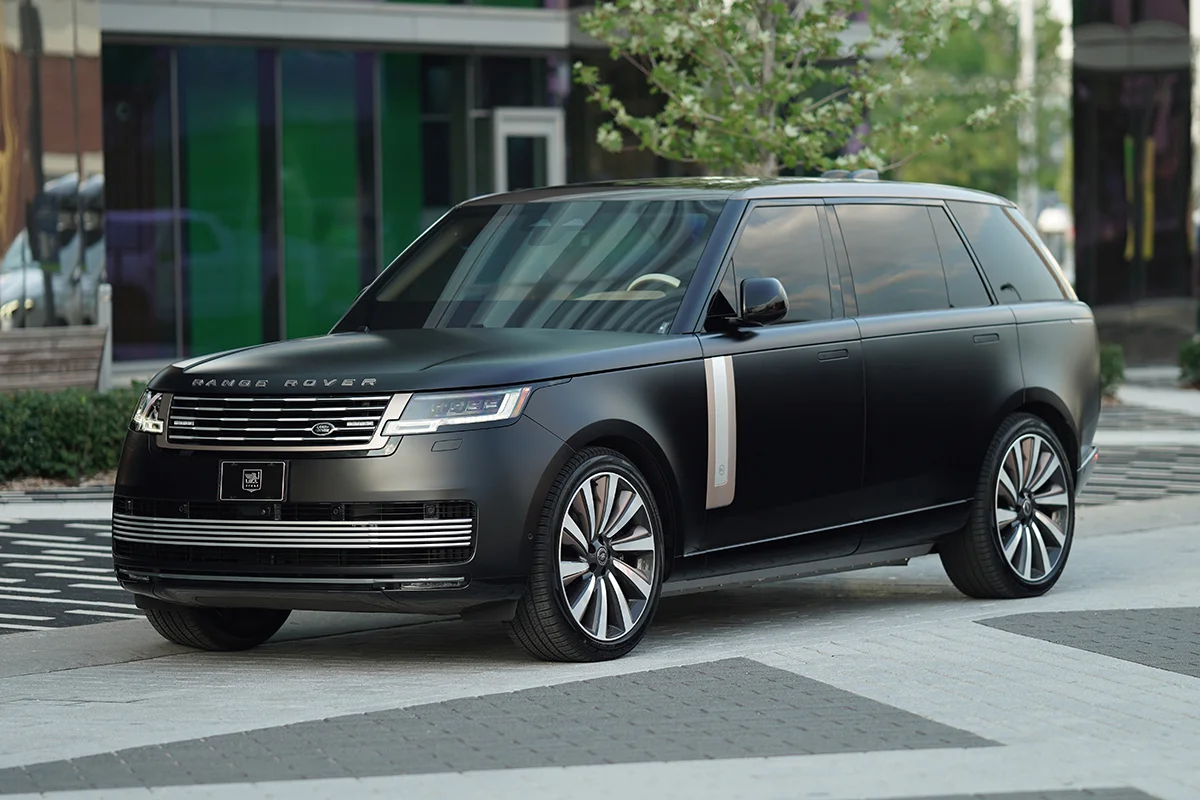
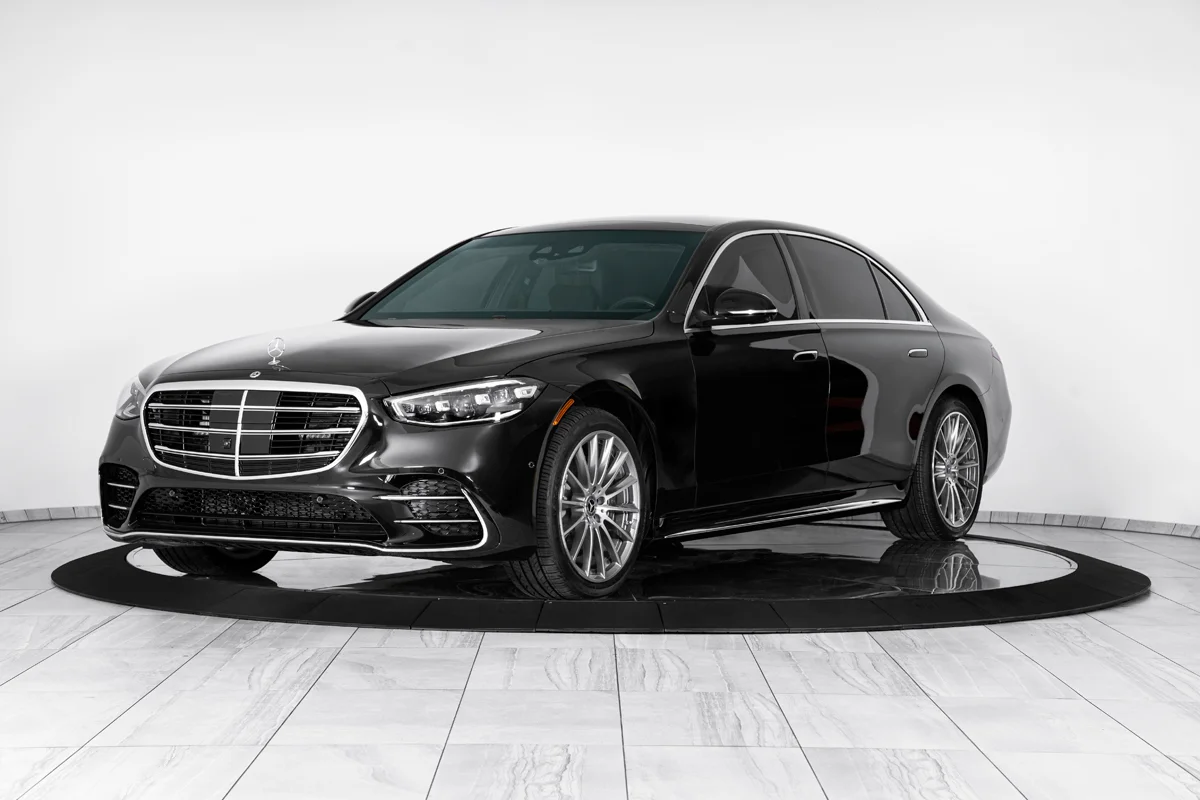
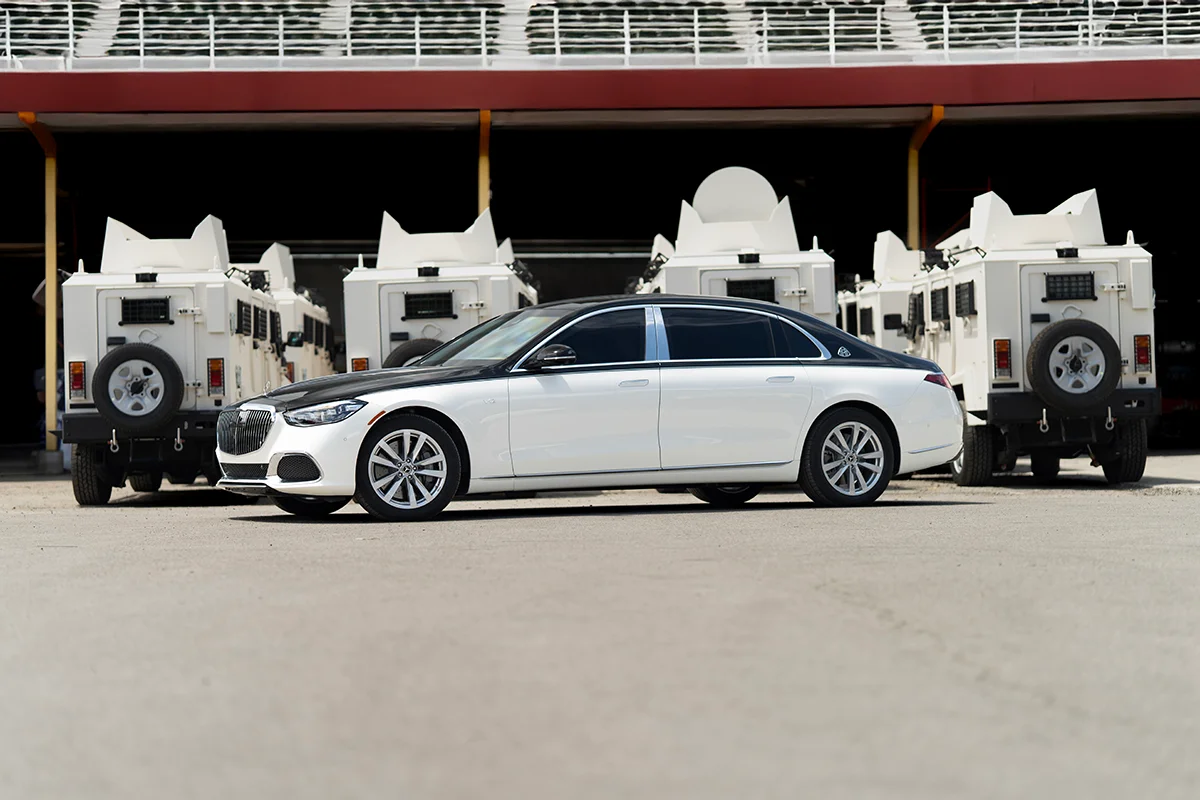
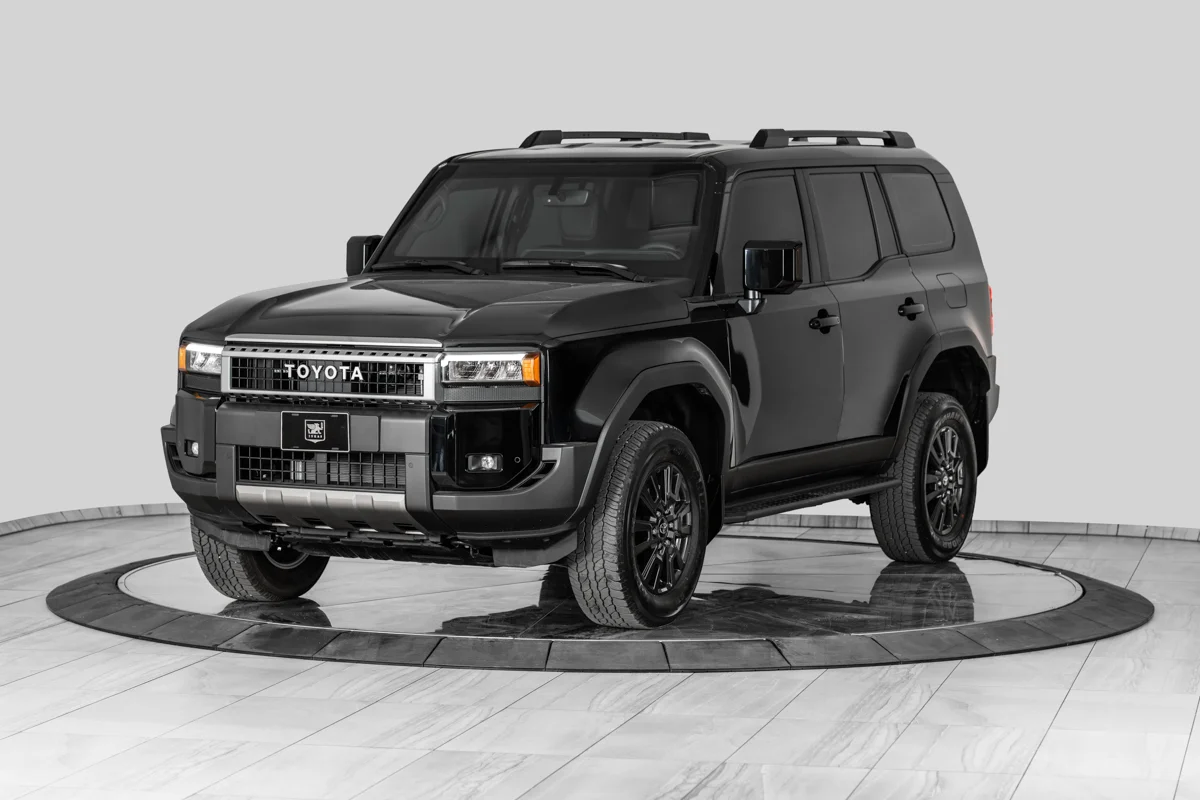
Armoring used to be something reserved almost exclusively for government fleets and heads of state. That’s changed. Today, civilians can order a fully armored SUV, sedan, pickup, or limousine built to the same protection standards once reserved for diplomatic convoys, without sacrificing the comfort or features of the original vehicle.
INKAS®’s armoring process is designed to feel seamless from the outside while transforming the vehicle underneath:
- Vehicle Arrival: Coordinated pickup and secure delivery to the armoring facility.
- Research & Development: Every build is engineered in-house around the specific vehicle and desired protection level.
- Inspection: A full evaluation for defects or irregularities before any armoring begins.
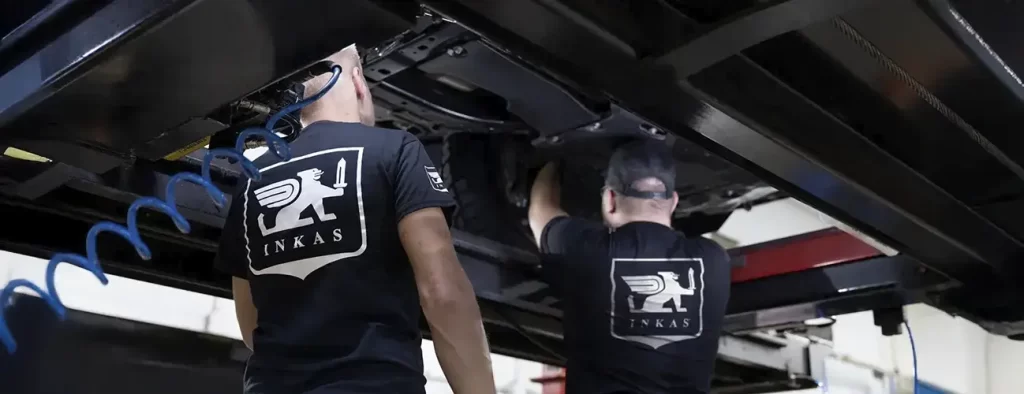
- Armoring: The vehicle’s frame and body panels are reinforced using ballistic glass, a door overlap system, a bulkhead partition, runflat systems, and fuel tank protection, all working together as one protective capsule.
- Reassembly: A meticulous rebuild that restores the vehicle’s original look and feel, inside and out.
The result is a vehicle that still drives, looks, and feels like the car you chose, with all its original features intact, but with a layer of real, certified protection built into every panel, window, and door.
Tesla’s carbon fiber underbody swap is a genuinely good engineering upgrade, with better durability, less weight, and smarter manufacturing. What it isn’t, and what no Cybertruck update has ever been, is a bullet-resistance upgrade. If real, certified protection for your family is the goal, that requires a vehicle built from the ground up for exactly that purpose.
Ready to get into your own civilian armored vehicle? Explore INKAS® Armored SUVs, sedans, pickups, and limousines, customized to your mission requirements, without compromising the driving experience you deserve.
