Our Process

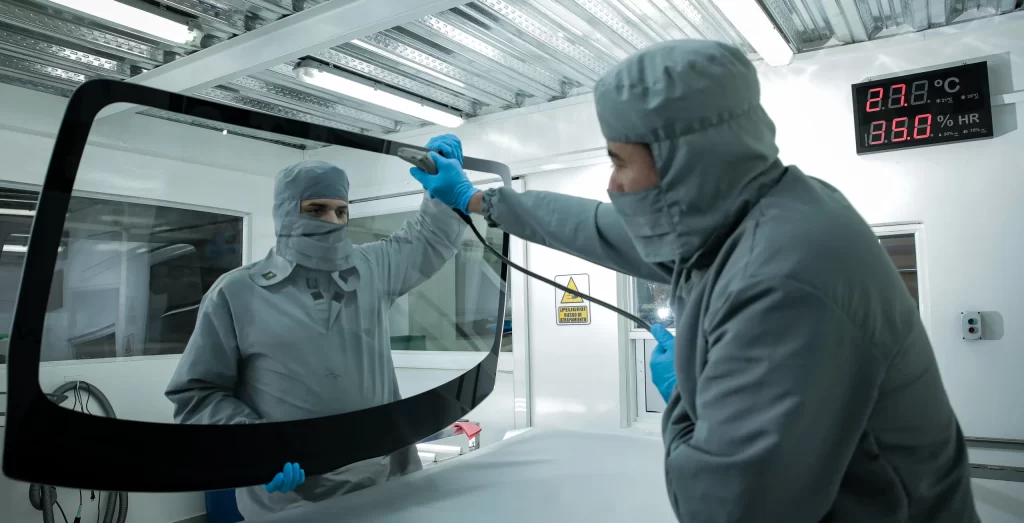
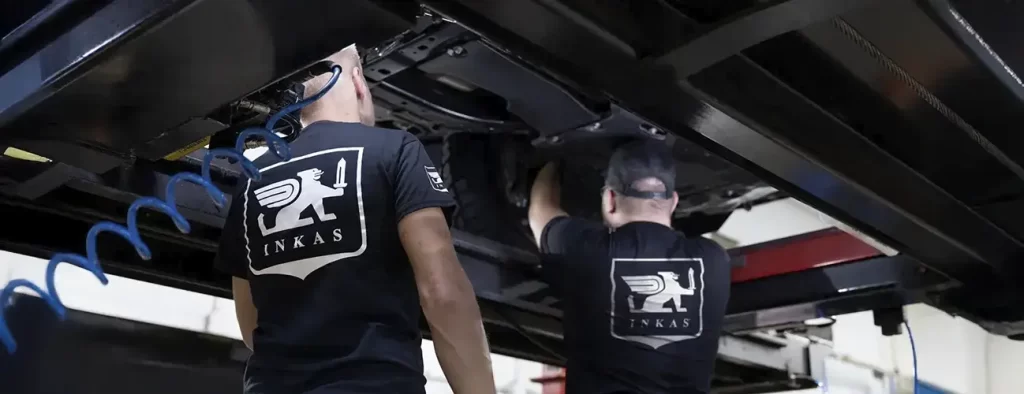
Our armoring designs undergo vigorous testing and extensive research & development to ensure a seamless integration.
Explore
Our armoring designs undergo vigorous testing and extensive research & development to ensure a seamless integration.
Explore
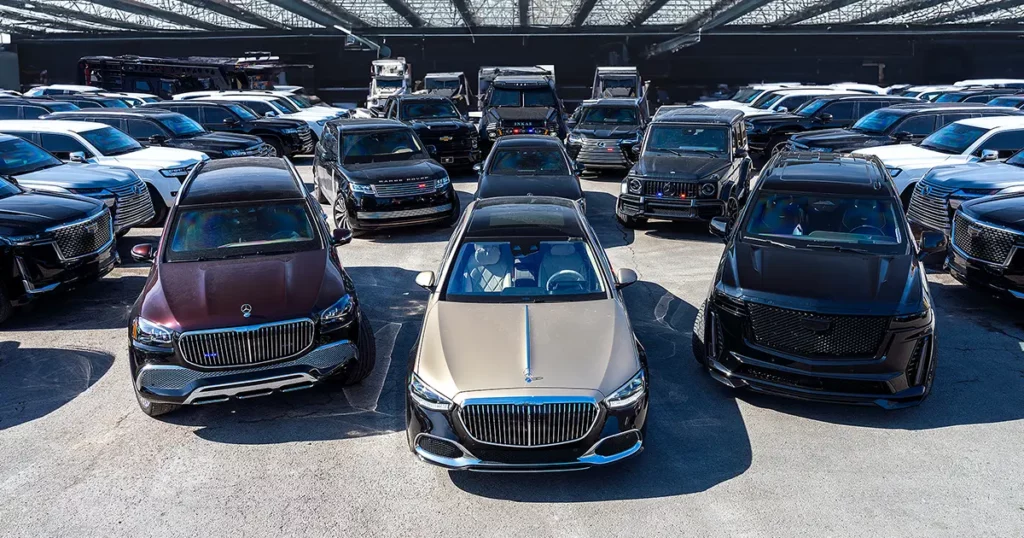
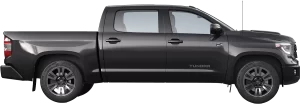
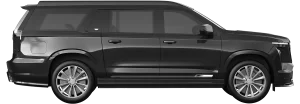
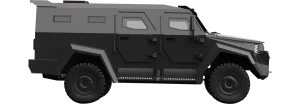
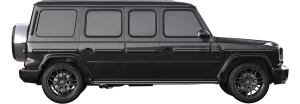
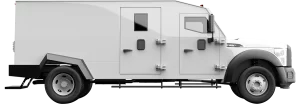
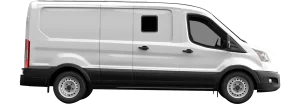
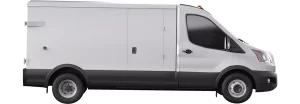
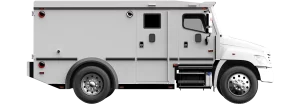
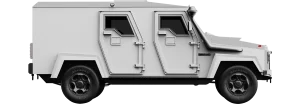
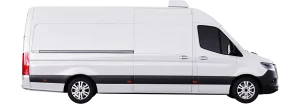
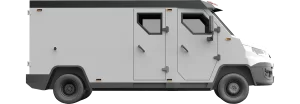
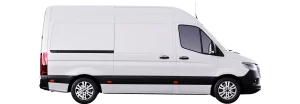
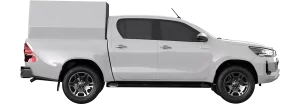
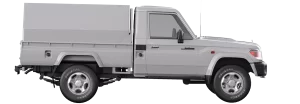
We deliver CEN 1063-certified ballistic materials that are specially designed for our extensive lineup of luxury SUVs, sedans, pickup trucks, limousines, and special-purpose vehicles.
Explore
INKAS® is the leading armored vehicle manufacturer in North America, shipping products across the globe for over 30 years.
ExploreOur modern armoring technology allows vehicles to retain their original appearance while providing ultimate security. The ballistic materials and bullet-resistant steel are added underneath the vehicle’s original exterior, creating discreet protection. We color-match leathers to conceal the armor further so they blend seamlessly in with the rest of the interior. In terms of performance, armoring does add weight to the vehicle, which in turn can impact driving ability. These factors are addressed with upgraded suspension, brakes, and tires to ensure optimal handling and drivability. Armored vehicles are made to protect their occupants from dangers like gunshots, grenades, human attacks, and other environmental threats. The level of security these armored vehicles offer reflects the overall performance, which is mighty, purposeful, and reliable.
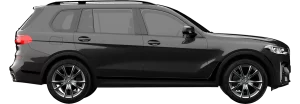
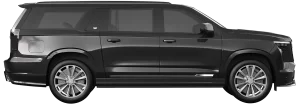
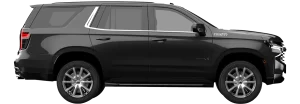
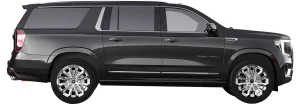
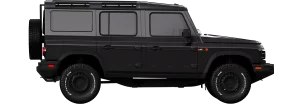
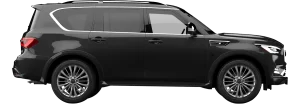
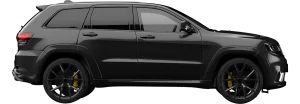
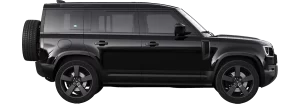
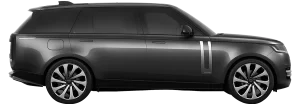
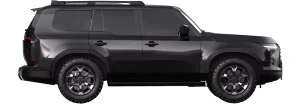
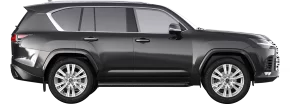
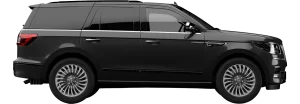
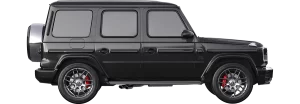
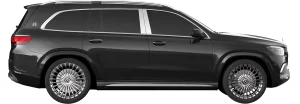
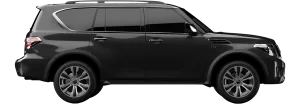
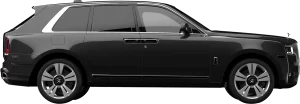
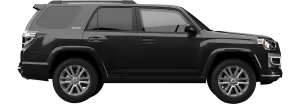
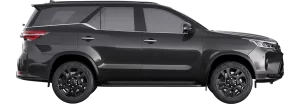
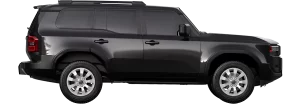
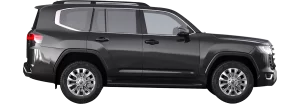
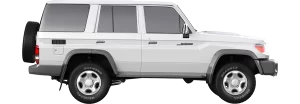
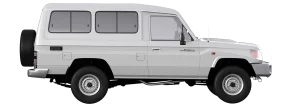
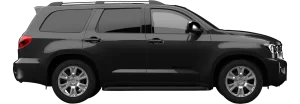
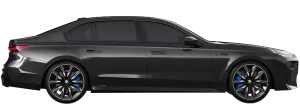
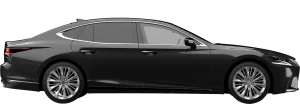
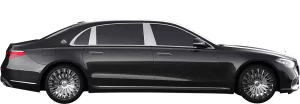
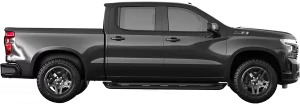
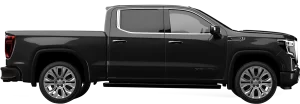
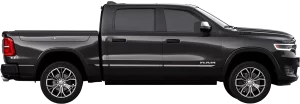
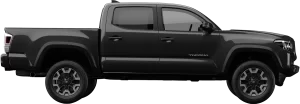
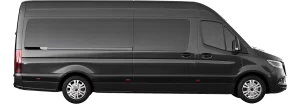
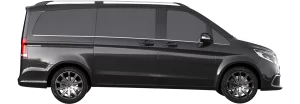
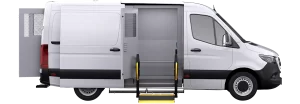
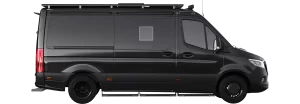
We specialize in vehicles that provide maximum protection without drawing unnecessary attention, making them ideal for individuals who require security while maintaining a professional, understated image. We offer one of the largest selections of low-profile armored vehicles globally, with models including: SUVs such as the Cadillac Escalade, Lexus LX, and Toyota Land Cruiser Sedans like the Mercedes-Benz S-Class and BMW 7 Series Limousines and extended vehicles for VIP transport, like the Mercedes Sprinter Trucks that include RAM 1500, Toyota Tacoma, GMC Sierra Denali, and more Each of these vehicles is equipped with multi-layer ballistic glass, reinforced body panels, runflat systems, and overlap systems, all while preserving the original appearance of the vehicle. When inquiring/ordering armored vehicles, most clients prefer to conduct business remotely for convenience and confidentiality. Our sales specialists can communicate seamlessly via phone, WhatsApp, or email, guiding clients through vehicle selection and customization, ballistic protection levels, and shipping logistics. Our website serves as a complete hub for browsing available models, technical specifications, and armoring details. This makes it possible for clients worldwide to make informed decisions before finalizing their purchase. Explore the full lineup of discreet armored SUVs and more here!

Modern armoring technology has advanced significantly, allowing us to design protective solutions that blend seamlessly with the vehicle’s original look and feel. Armoring is carefully integrated into the vehicle’s structure to maintain a sleek, original look. Our team prioritizes preserving the vehicle's design and proportions by using discreet ballistic materials and optimized engineering techniques. This approach ensures the vehicle remains visually indistinguishable, deterring threats and other dangers from arising. In most cases, armored vehicles retain their original dimensions and styling, so they won't appear noticeably different or “bulky.” From the outside, armored sedans, SUVs, and other vehicles look very similar to standard models, and they also maintain comfort and drivability. We focus on providing a discreet, inconspicuous solution that upholds both aesthetics and safety, delivering peace of mind without compromising the appearance or performance of your vehicle.
Yes, armored vehicles can be street legal. Just like all vehicles, you need specific requirements to register and drive a car on the road. Here are a few things to keep in mind: Road Safety Standards Armored vehicles must comply with local and national road safety regulations, such as having proper headlights, brake lights, turn signals, emissions controls, and other standard features required for all vehicles to drive safely on a public road. Registration and Licensing The vehicle must be registered and insured with the appropriate provincial or state authorities, just like any other car. The driver also needs a valid driver’s license. Modifications Compliance While armored, the vehicle still needs to meet safety standards for things like visibility, weight limits, and handling. Modifications (such as bulletproof glass or reinforced panels) cannot compromise the vehicle’s ability to be driven safely. Military Restrictions Armored civilian vehicles are generally allowed, but heavily modified military vehicles (e.g., with mounted weapons or tactical equipment) may not be street legal without special permits.
Here at INKAS®, we prioritize discretion in our armored vehicles to ensure that clients can travel securely without drawing unnecessary attention. This is achieved through several key strategies: Maintaining Original Aesthetics: Our team meticulously preserves the vehicle's original exterior appearance during the armoring process by integrating ballistic materials and protective features underneath the vehicle’s steel exterior. This approach allows clients to blend in with regular traffic while wielding bullet-resistant power. Utilizing Ballistic Materials: We employ advanced ballistic materials such as specialized steel and ballistic glass. These materials provide robust protection without significantly changing the vehicle's original design. Customizable Interior Features: We offer interior options that cater to individual client preferences while preserving the vehicle's standard look. This can include customized leathers, speakers, TVs, and much more. By focusing on these aspects, we deliver armored vehicles that provide high-level security while maintaining a low profile, allowing clients to navigate various environments without attracting unwanted attention.
Multi-layer ballistic glass is engineered to resist bullets through a multi-layered structure of tempered glass and polycarbonate. Depending on the armoring level, the glass usually consists of 5–10 layers bonded together. When a bullet strikes the window, the outer glass layers absorb the initial impact and begin to fracture in a controlled manner, dispersing the bullet’s energy across a wide area. Beneath these, the polycarbonate interlayers act as shock absorbers, flexing slightly to catch and contain the projectile while preventing entry. Although the bullet may cause visible cracking or “spider webbing” across the glass surface, the projectile does not pass through. This provides the passengers with safety from both the projectile and glass shards. The result is a window that may appear damaged on the outside. Still, it provides a secure barrier, maintaining the vehicle’s protective integrity even after multiple hits in the same area.