Our Process

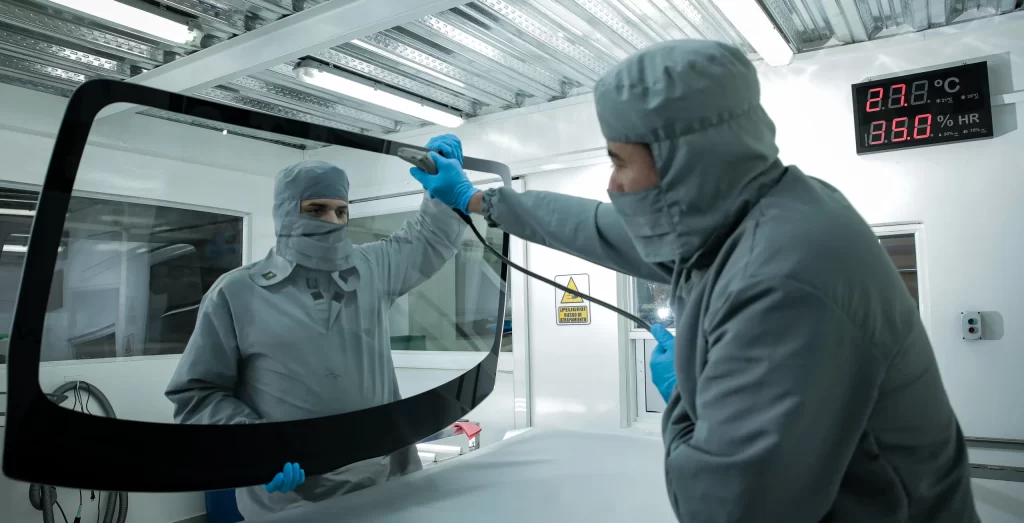
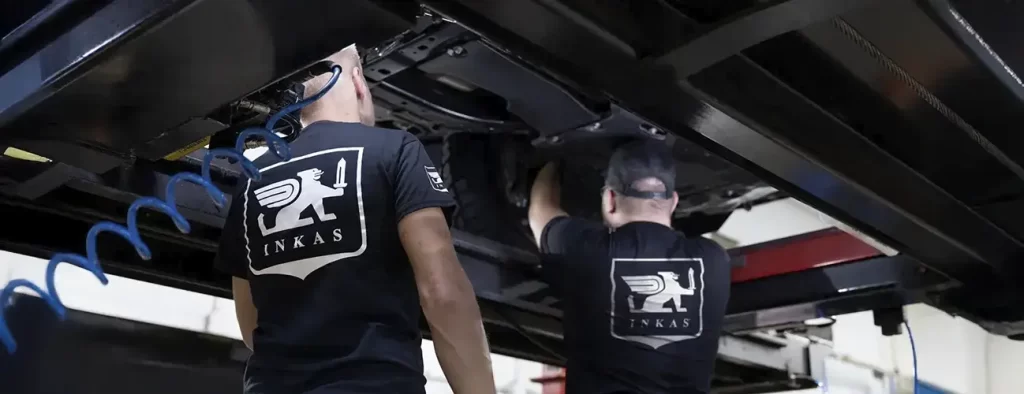
Our armoring designs undergo vigorous testing and extensive research & development to ensure a seamless integration.
Explore
Our armoring designs undergo vigorous testing and extensive research & development to ensure a seamless integration.
Explore
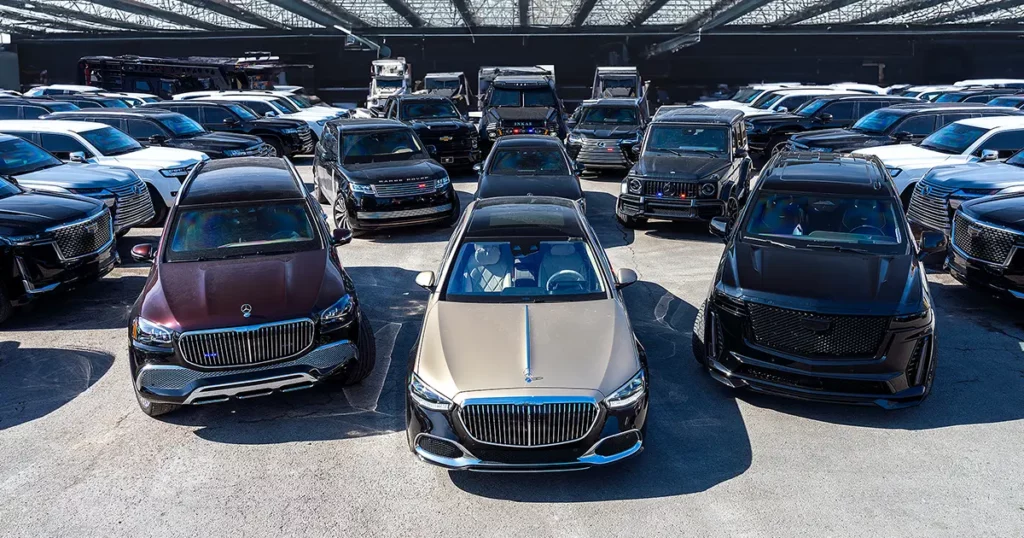
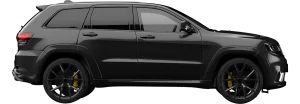
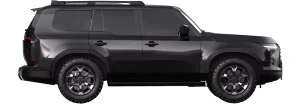
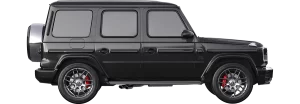
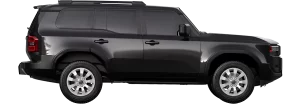
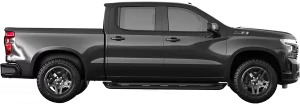
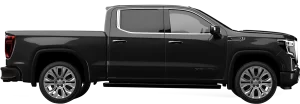
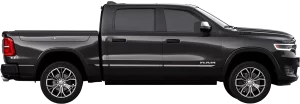
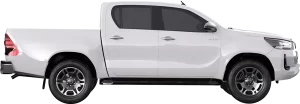
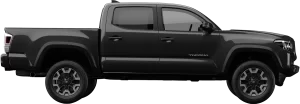
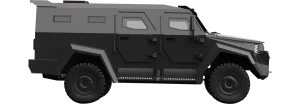
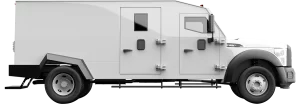
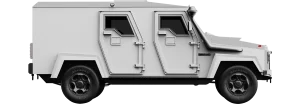
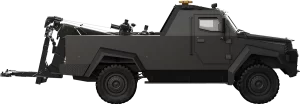
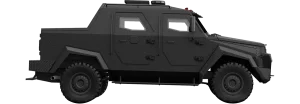
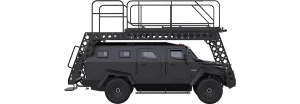
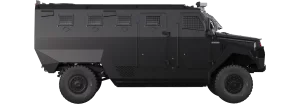
We deliver CEN 1063-certified ballistic materials that are specially designed for our extensive lineup of luxury SUVs, sedans, pickup trucks, limousines, and special-purpose vehicles.
Explore
INKAS® is the leading armored vehicle manufacturer in North America, shipping products across the globe for over 30 years.
ExploreArmoring a vehicle is typically a one-time process. Once a car is armored, it will provide continuous protection without the need for re-armoring. However, just as with any specialized vehicle, regular maintenance is essential to ensure the long-term integrity of the armor and vehicle components. Over time, components may experience wear and tear due to the added weight and the unique demands that individuals require of armored vehicles. We recommend routine check-ups and maintenance to ensure that all armor elements and critical systems, such as the suspension, brakes, and tires, continue to perform optimally. We offer specialized maintenance services for armored vehicles to address their unique needs, including assessments of ballistic glass, reinforced doors, and other protective features. In short, while re-armoring isn’t necessary, ongoing care and inspections are crucial to ensure your armored vehicle continues to be reliable and safe.
Driving an armored car requires a few adjustments to ensure safe, smooth handling. Here are some tips to enhance your experience: Allow for Extra Weight: Armored vehicles are significantly heavier, so anticipate slower acceleration and longer stopping distances. Brake earlier and avoid sudden turns to maintain control. Smooth Steering: Due to added weight, armored cars can have reduced agility. Use gentle steering to maintain stability, especially in tight turns. Regular Maintenance Checks: Ensure brakes, suspension, and tires are in top condition. These components work harder due to the added weight, so regular inspections are essential. Practice in a Safe Area: Get comfortable handling the vehicle in a safe environment. Practice braking, cornering, and parking to build confidence. Stay Vigilant on Fuel: Armored vehicles consume more fuel. Keep an eye on fuel levels, especially on longer trips, to avoid unexpected stops. Drive Defensively: Armored cars are often used in high-security contexts. Stay alert, keep a safe distance, and avoid unnecessary risks on the road. Avoid Overloading: Additional weight can strain the vehicle’s mechanics. Keep passenger and cargo loads within recommended limits to avoid excessive wear. Know the Exit Points: Familiarize yourself with all exit routes in case of an emergency. Armored cars often have specific reinforced exits for quick escapes if needed. By adapting to the unique requirements of armored vehicles, you’ll enhance both safety and performance on the road.

Armored vehicles require regular maintenance, like non-armored vehicles, but with a few additional considerations due to the extra weight and specialized components. Routine tasks such as oil changes, tire rotations, and brake checks are essential to keep the vehicle running smoothly. However, armored vehicles also need specialized inspections of the ballistic glass, armor plating, suspension, and reinforced parts to ensure they remain in top condition. We recommend consulting with a certified professional or contacting your INKAS® sales representative when going in for maintenance. This is to ensure all safety features are treated with the highest standards. Proper maintenance helps extend the lifespan of your armored vehicle and ensures optimal safety and performance.
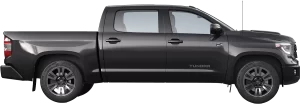
We take pride in delivering high-quality armored vehicles that are built to last and endure intense threats. All our armored vehicles come with comprehensive warranties to provide customers peace of mind and confidence with their investment. The terms of the warranty will depend on the vehicle and armoring package selected, although typically it covers critical aspects such as the ballistic materials, reinforced glass, and structural components. Additionally, any upgraded systems, such as suspension, brakes, and tires, are also included under the warranty. We ensure that all vehicles undergo rigorous testing and quality assurance checks before delivery to meet international safety standards. Should any issues arise during the warranty period, our global network of service centers and certified technicians is available to provide prompt support, repairs, or replacements. For detailed information on warranty coverage and terms, we include a sales agreement outlining all specifics prior to purchase. This guarantees transparency and ensures that you are fully aware of your vehicle’s warranty coverage from day one.
The lifespan of an armored vehicle depends on two significant factors. An armored vehicle requires regular maintenance, just like a regular car, which can include oil changes, armor repair, and tech updates. Another factor that will determine the lifespan of an armored vehicle is the operational environment. The habitat in which you operate the vehicle will make a massive difference in the overall operation. With proper care, including routine maintenance of the engine, transmission, suspension, and specialized components like bullet-resistant glass and armor plating, an armored vehicle can last for many years. The lifespan of the armoring itself is also a consideration; at the same time, steel plating remains effective indefinitely if undamaged, and components like bullet-resistant glass or runflat systems may require replacement over time to maintain peak performance. We recommend following the manufacturer’s maintenance schedule and working with certified professionals who understand the specific needs of armored vehicles. When properly maintained, an armored vehicle can provide reliable service and protection for a decade or more, depending on usage and environmental factors. Regular updates and inspections can also help extend its operational life.