






In today’s evolving global landscape, organizations across every industry are prioritizing safety at exceeding levels.
Whether protecting executives, transporting high-value assets, or operating in regions with elevated risk, an armored vehicle is no longer a luxury, it is a strategic requirement.
Selecting the right platform, however, demands careful evaluation. From ballistic performance and mobility to the manufacturer’s capabilities, every detail contributes to long-term safety, reliability, and value.
Below are the essential factors businesses should consider when choosing an armored vehicle.
1. Identify Your Threat Level and Operational Requirements
Every mission profile demands a different level of protection. Begin by defining how and where the vehicle will be used.
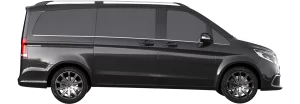
- Corporate & Executive Transport: Prioritize discreet design, comfort, and mid-range ballistic protection (commonly CEN BR4–BR6).
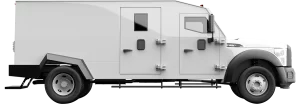
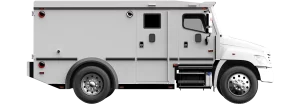
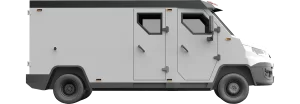
- Cash-in-Transit & Asset Protection: Focus on reinforced cargo areas, high ballistic resistance, and secured communication systems.
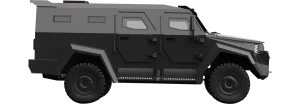
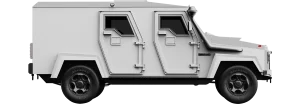
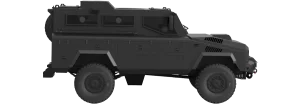
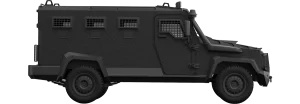
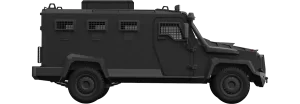
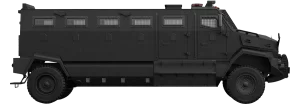
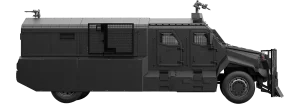
- Law Enforcement & Tactical Missions: Require off-road capability, heavy-duty suspension systems, runflat systems, and enhanced situational awareness tool add-ons.
A clear understanding of threat exposure ensures you select the correct protection level and vehicle segment.
2. Understand Ballistic Protection Levels
Not all armored vehicles are built to withstand the same threats. International standards such as CEN 1063, UL 752, and NIJ define ballistic resistance levels for both glass and steel.
- BR4: Protects against handgun rounds, ideal for executive transport.
- BR6: Withstands high-powered rifles, including 7.62×51 NATO, widely used for corporate, commercial, and government fleets.
- BR7: Typically reserved for law enforcement/government purposes only and rated against armor-piercing ammunition.
Choosing the correct level ensures optimal safety without unnecessary weight or cost.
3. Select the Appropriate Vehicle Platform
Different applications call for different platforms:
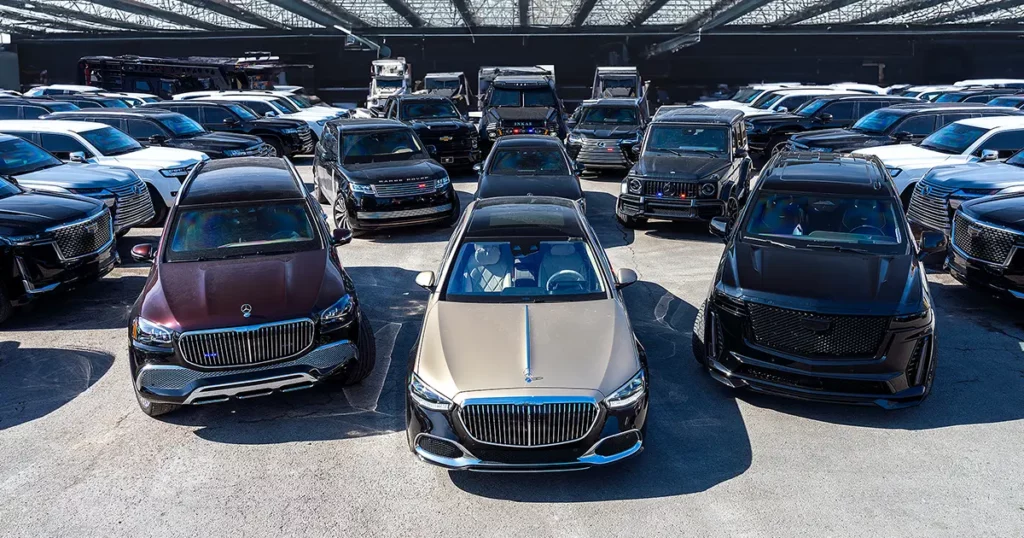
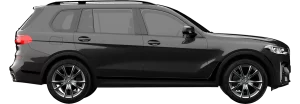
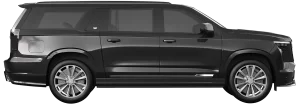
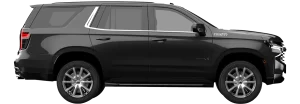
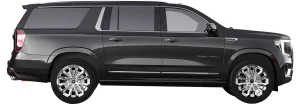
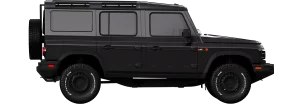
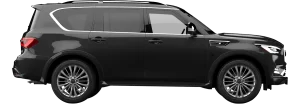
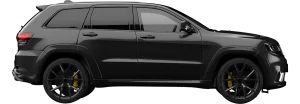
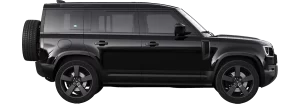
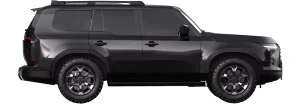
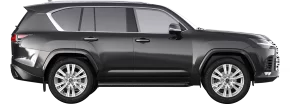
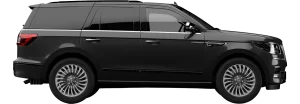
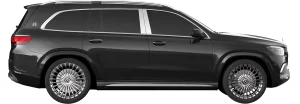
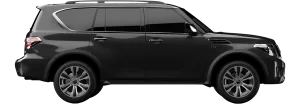
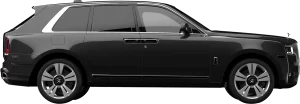
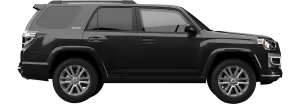
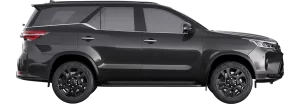
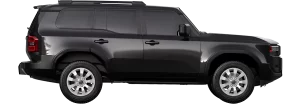
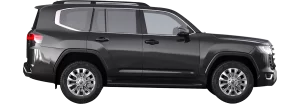
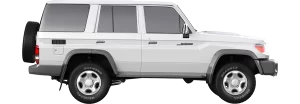
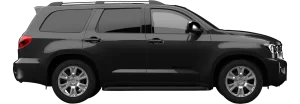
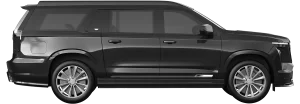
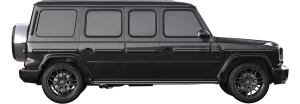
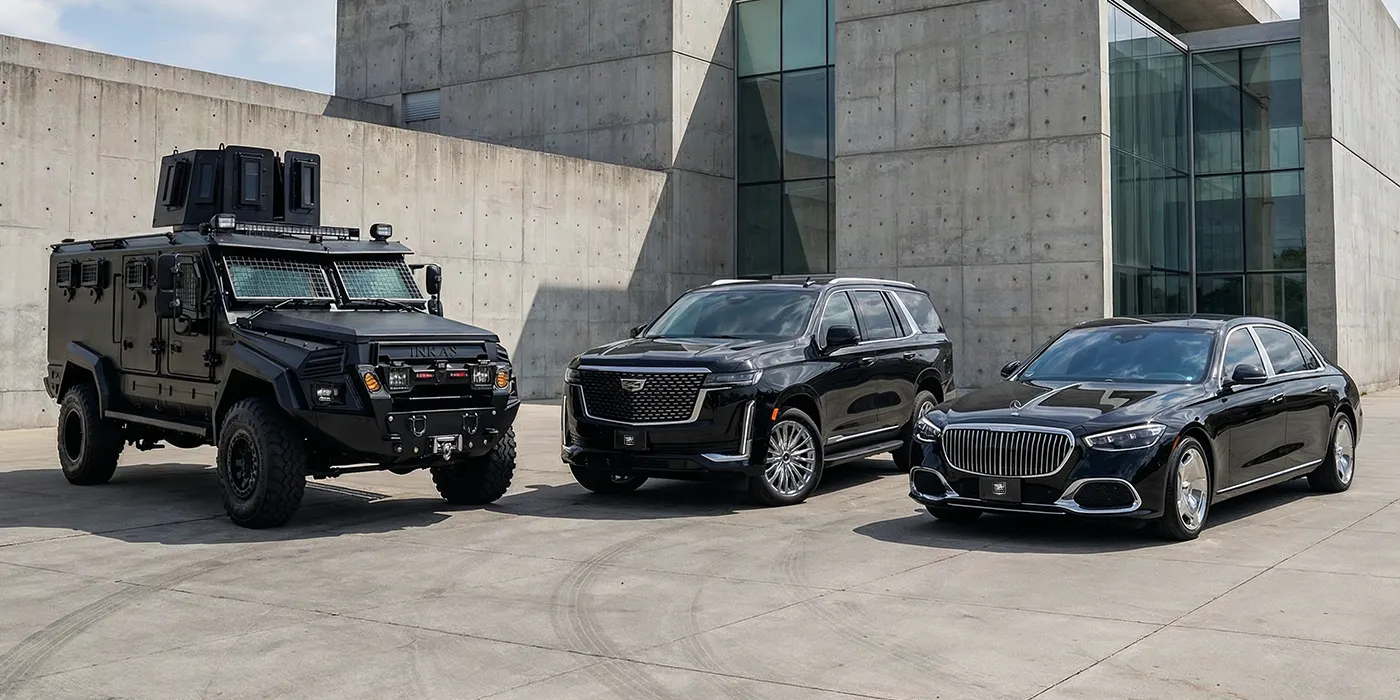
- SUVs: Exceptional cabin space, elevated seating, and adaptability. Popular choices include the Toyota Land Cruiser, Lexus LX 600, and Cadillac Escalade.
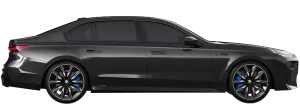
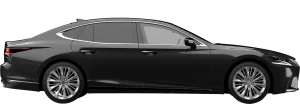
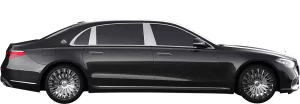
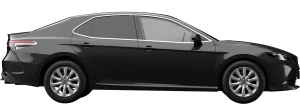
- Sedans: Low-profile, chauffeur-driven platforms that deliver comfort and discretion, such as the BMW 7-Series or Mercedes-Maybach S-Class.
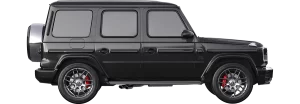
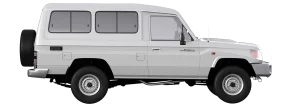
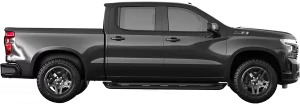
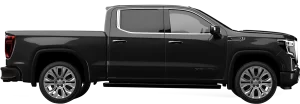
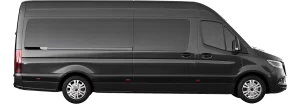
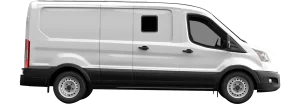
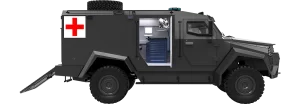
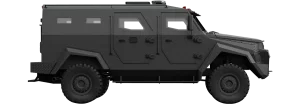
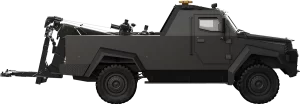
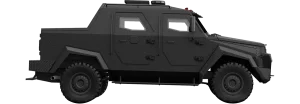
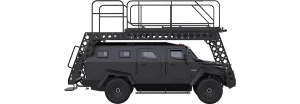
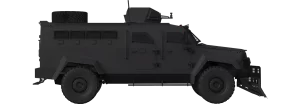
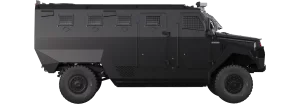
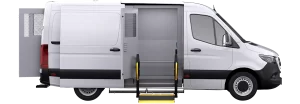
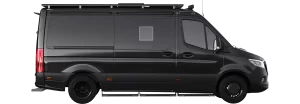
- Commercial & Specialty Platforms: Customized builds for cash-in-transit operations, secure cargo transport, or tactical deployment.
Evaluate your operational environment, urban mobility, long-distance travel, or off-road conditions before selecting your base platform.
4. Evaluate the Manufacturer’s Expertise and Reputation
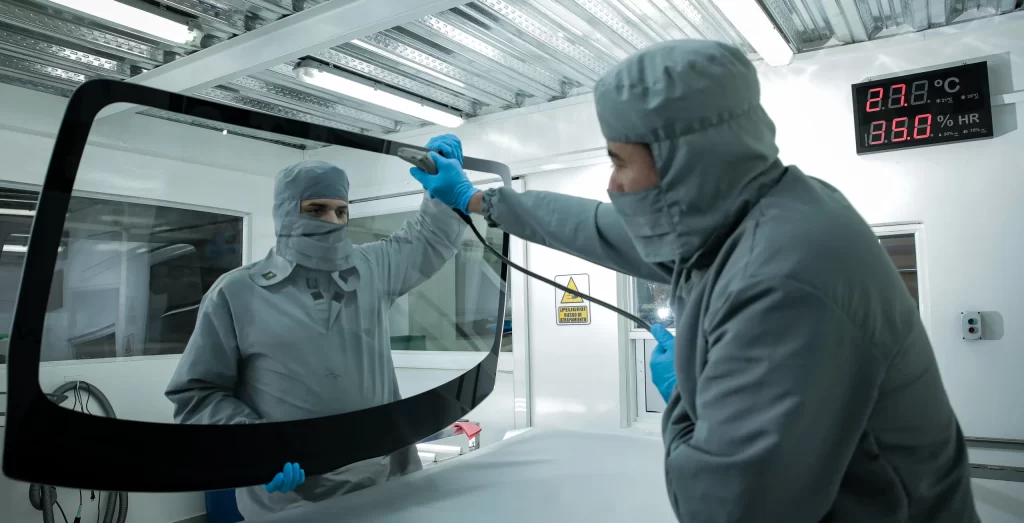
Armoring quality directly depends on engineering standards, material integrity, and manufacturing discipline. Partner with a company that offers:
- Proven ballistic expertise and certified materials
- Strict in-house quality control and production processes
- Access to global after-sales support and spare parts
- Transparent testing records and compliance with international standards
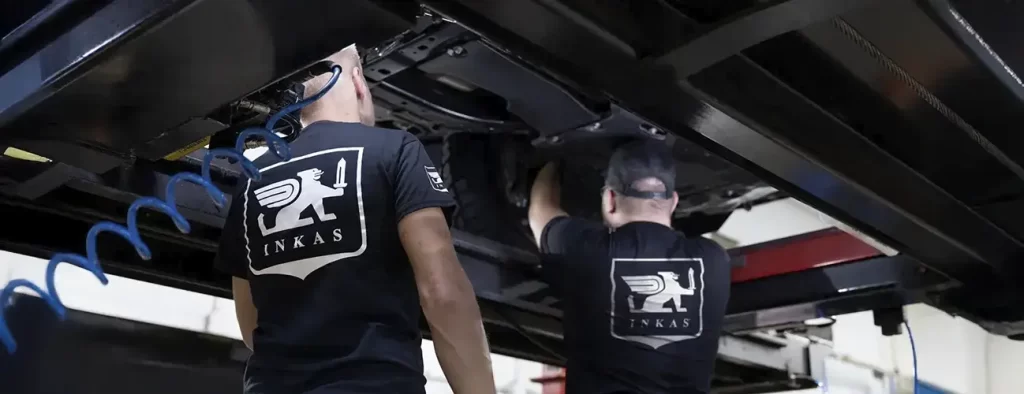
With over 30 years of experience, certified materials, and dedicated R&D and testing facilities, INKAS® delivers protection trusted by corporations, governments, and security agencies worldwide.
Need pricing?
5. Consider Performance, Mobility, and Comfort
A properly engineered armored vehicle should maintain, and often enhance, OEM performance.
INKAS® recalibrates suspension, braking systems, and powertrain components to compensate for the added protection weight, ensuring:
- Balanced handling
- Smooth acceleration
- Consistent stopping power
- Reduced wear and improved longevity
Luxury features such as climate control, advanced infotainment, premium seating, and cabin ergonomics ensure passengers remain comfortable during long missions or high-pressure environments.
6. Explore Modern Safety and Protection Technologies
Armored protection extends beyond ballistic steel and glass. Advanced security systems strengthen a vehicle’s readiness in dynamic situations, including:
- Runflat systems in the wheels
- Emergency lighting and siren packages
- 360° surveillance and DVR recording
- Advanced fire suppression solutions
- Encrypted communication systems
- Reinforced fuel tank and blast-resistant flooring
These add-on features ensure occupants remain protected, aware, and mobile, even under threat.
7. Assess After-Sales Support and Lifecycle Maintenance
Armored vehicles require ongoing, specialized care. Ensure your manufacturer provides:
- Maintenance schedules for armored components
- Availability of certified replacement parts
- Technical support, training, and remote assistance
- Worldwide service capability
INKAS® offers global support to ensure every vehicle remains mission-ready, year after year.
8. Consider Budget, Compliance, and Total Cost of Ownership
While cost is an important factor, safety should never be compromised. Businesses should account for:
- Operating and service costs
- Insurance requirements
- Import regulations and certification obligations
- Ballistic compliance for cross-border operations
Choosing a certified, reputable manufacturer ensures that every vehicle meets regulatory standards without hidden risks.
Selecting an armored vehicle is a strategic decision, one that balances protection, capability, comfort, and long-term value. With decades of engineering innovation, global manufacturing experience, and a proven track record across corporate, commercial, and government sectors, INKAS delivers solutions that withstand some of the world’s most demanding environments.
Whether you require a discreet executive sedan, a commanding armored SUV, or a mission-specific tactical platform, INKAS® provides vehicles built for reliability, resilience, and total protection.
When safeguarding what matters most, the right choice begins with the right partner and the right armored vehicle.
